

Cities are frequently perceived as concrete jungles, far removed from the lush environments typically associated with nature. However, inside the hectic streets and towering skyscrapers lies a treasure trove of biodiversity ready to be revealed. Urban areas are gradually becoming sanctuaries for various species of vegetation and animals, providing special avenues for residents and visitors alike to engage with nature. The notion of "citynature" summarizes this phenomenon, where the merging of green spaces into urban landscapes fosters a thriving ecosystem that enhances the experience for city dwellers.
In this adventure through urban biodiversity, we will uncover an array of natural wonders, from peaceful urban parks and city botanical gardens to secret urban wildlife spots and lush rooftop gardens. Each green space serves as a haven for both native species and migrating birds, while city nature reserves and urban forests offer peaceful escapes from the hectic urban environment. Whether you are an enthusiastic bird watcher wandering through park trails or just seeking nature escapes in the center of the city, there is a wealth of experiences to be had that honor the balance between urban living and the natural world.
Metropolitan Green Areas and Green Spaces
Metropolitan parks and natural spaces play a vital role in enhancing the quality of life for urban residents. These areas provide a refuge from the chaos of urban life, offering possibilities for rest, leisure, and engagement with the natural world. From small neighborhood parks to vast urban forests, these green spaces are essential for both the ecological health of cities and the health of their inhabitants.
Urban botanical gardens are excellent examples of how metropolitan green spaces can serve learning purposes while promoting biodiversity. They often showcase a diverse array of flora, highlighting the importance of preservation and the beauty of native flora. These gardens not only attract bees and butterflies and other wildlife but also serve as key research centers for horticulture and ecological studies, enriching the community's knowledge of city ecosystems.
Additionally, urban wildlife habitats within these green areas provide essential habitats for many species. Birdwatching in city parks offers a special experience, allowing inhabitants to observe and enjoy avian life in an urban setting. As cities continue to expand, the protection and creation of natural areas become increasingly important for maintaining biodiversity and providing nature escapes in our everyday existence.
Nature and Wildlife Reserves
City wildlife spots and nature reserves play a vital role in protecting biodiversity within urban landscapes. These natural oases are vital for different species, providing habitats and shelters among concrete and asphalt environments. Frequently located near parks or along riverbanks, city nature reserves are designed to promote conservation and allow residents to connect to their natural surroundings. They offer a special opportunity to witness local flora and fauna in action while encouraging citizens to appreciate the value of preserving these ecosystems.
Many cities have established urban wildlife areas that serve as critical havens for migratory birds and local wildlife. These spots often feature walking trails and viewing platforms, making them easy to reach for birdwatching and nature walks. Within these diverse habitats, residents can witness not only birds but also other wildlife, such as small mammals, insects, and including amphibians. The presence of these species enriches urban life and showcases the interconnectedness between nature and urban development.
City nature reserves and wildlife spots also support educational programs aimed at raising awareness about local ecosystems. Workshops and guided tours introduce people to the significance of native plants, wildlife conservation, and sustainable practices. By taking part in these events, individuals can become stewards of their local environment, cultivating a deeper connection to the green spaces that are essential to city living. Ultimately, these nature reserves serve as crucial platforms for ecological learning and community engagement, reminding urban dwellers of the richness of biodiversity that thrives amidst their bustling cities.
Elevated Gardens and City Woodlands
Skyline gardens have developed as a crucial component of city biodiversity, turning formerly neglected areas into lively green havens. These top gardens not only improve the visual charm of urban landscapes but also create crucial habitats for various pollinators and avian species. By utilizing underused spaces, urban areas can promote sustainable practices, improve air quality, and reduce the metropolitan heat island effect. https://citynature.net/ can engage in these eco-friendly initiatives, raising flowers, vegetables, and herbs while also nurturing a sense of community.
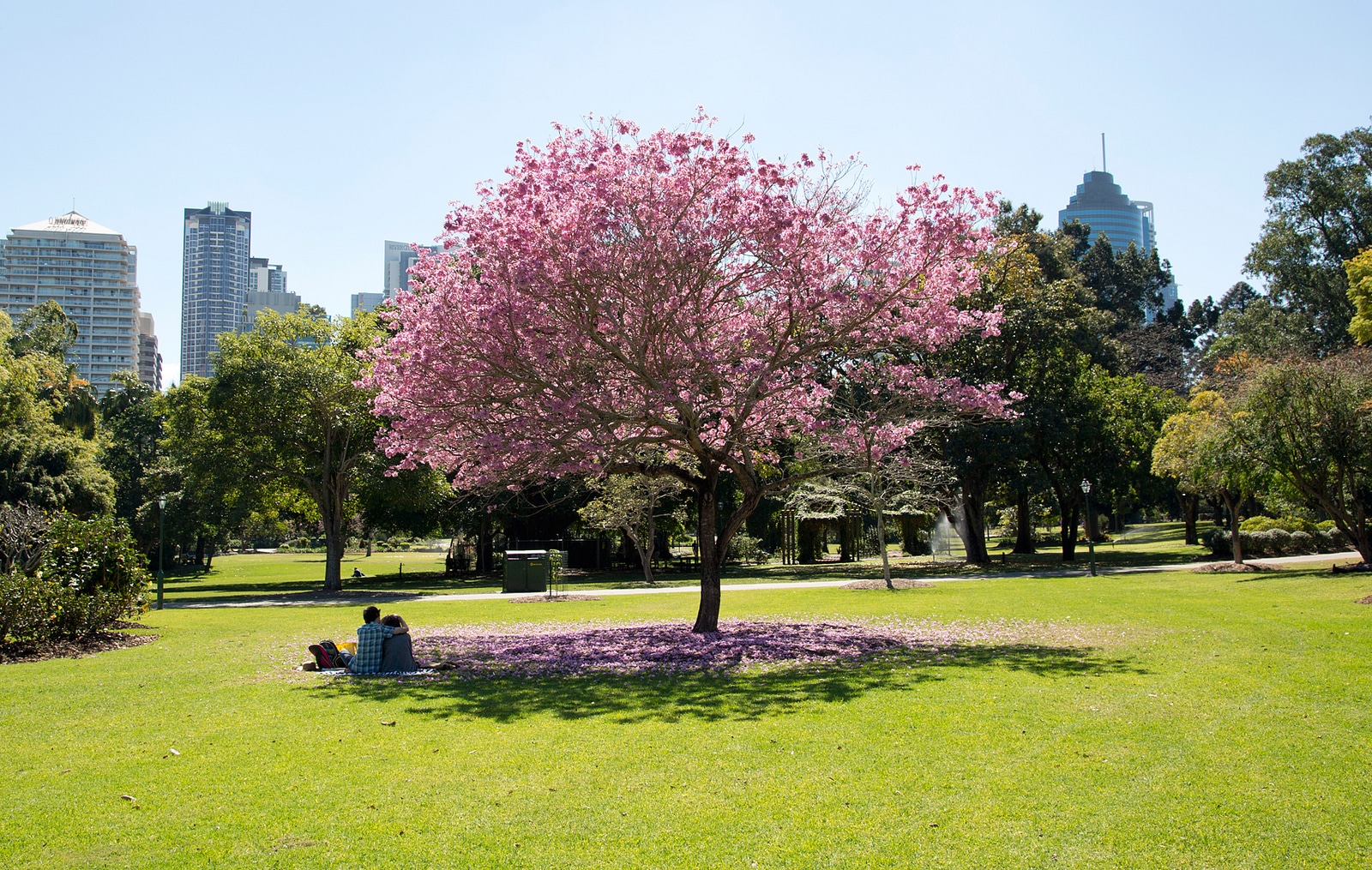
City forests serve as key green lungs for cities, providing countless benefits to both people and wildlife. These closely planted areas provide critical ecosystems that support birds, insects, and small mammals, all while creating a sanctuary for people seeking a escape from the concrete jungle. Connecting with urban forests can enhance mental well-being and encourage recreational activities such as hiking, biking, and nature walks, allowing people to connect with their natural surroundings.
Both elevated gardens and city woodlands highlight the importance of including greenery into metropolitan planning. By focusing on these natural spaces, cities can improve ecological health, enhance biodiversity, and create pleasant environments for visitors alike. As urban areas continue to grow, nurturing these natural resources is essential for ensuring that urban ecosystems thrive, benefitting both nature and society.